Birds of the Desert
BEAUTIFUL BIRDS TO PHOTOGRAPH IN TUCSON, AZ
Many birders like to take photographs of birds. This is difficult to do well unless one has good, expensive cameras and long lenses. Taking photographs can work best using a "hide", usually a canvas tent. A hide means the birds cannot see you, and it keeps you warmer than being out in the open. Water birds are usually photographed from hides.
Also important is to have a good reference book with pictures of the birds in your country. This is call a field guide. It tells you background information about the birds, which can be very useful. Apart from what they look like, the most basic information is what time of year they are in your area, and what kind of environment they prefer. Also they will tell you what the birds' songs and calls sound like. You will discover that it often takes a long time to find a bird even when you know it is there from its song.
|
|
|
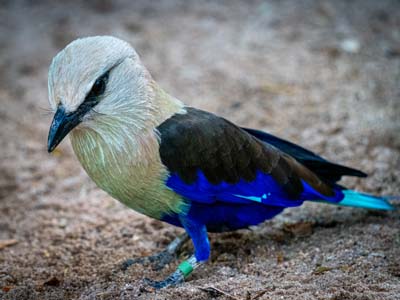
Blue-bellied RollerBlue-bellied rollers are native to western and central Africa, from Senegal to southern Sudan. They live in wooded areas often on the edge of open or recently burned areas. Blue-bellied rollers are social birds that typically gather in small groups of 3 to 7, sometimes more. They exhibit many social behaviors, including calling to each other, chasing each other, flying together, and defending territory together. |
|
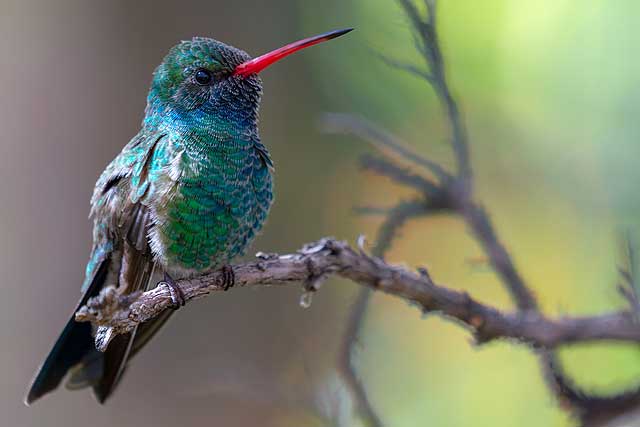
Broad-billed HummingbirdThe Broad-billed Hummingbird is a beauty in a beautiful family. The male’s vivid red bill, emerald body, and glittering sapphire throat sets it apart from other U.S. hummingbirds. Most of this species’ range lies in Mexico, but it reaches the mountainous canyons of the southwestern U.S. during the breeding season. |
|
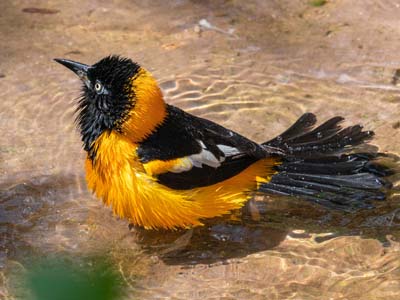
Hooded OrioleBlack and brilliant yellow-orange flash across the sky when male Hooded Orioles dash through open woodlands and yards of the southwestern U.S. Following close behind are the pale yellow females. Sometimes called "palm-leaf orioles," these orioles "sew" their hanging nests onto the undersides of palm fronds. They often stay hidden while foraging, but their large, slender shape and nearly constant chatter usually give them away. |